


Laryngeal Cancer Treatment
Laryngeal Cancer Treatment What is laryngeal cancer? Laryngeal cancer affects your larynx, part of your throat. Your larynx helps you speak, breathe and swallow. It contains your vocal cords. Cancer affecting your larynx or vocal cords happens when cells grow uncontrollably in your larynx. As these cancerous (malignant) cells multiply, they invade tissues and damage your body. Laryngeal [...]

Esophageal Cancer Treatment
Esophageal Cancer Treatment Treatments for esophageal obstruction and difficulty swallowing (dysphagia) can include: Relieving esophageal obstruction. If your esophageal cancer has narrowed your esophagus, a surgeon may use an endoscope and special tools to place a metal tube (stent) to hold the esophagus open. Other options include surgery, radiation therapy, chemotherapy, laser therapy and photodynamic therapy. [...]
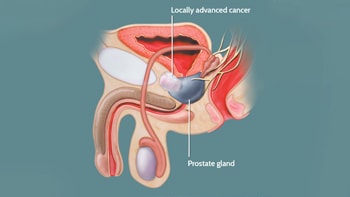
Prostate Cancer Treatment
Prostate Cancer Treatment Testing healthy men with no symptoms for prostate cancer is controversial. There is some disagreement among medical organizations whether the benefits of testing outweigh the potential risks. Most medical organizations encourage men in their 50s to discuss the pros and cons of prostate cancer screening with their doctors. The discussion should include [...]

Vaginal Cancer Treatment
Vaginal Cancer Treatment Tests and procedures used to diagnose vaginal cancer include: Pelvic exam. A pelvic exam allows a healthcare professional to inspect the reproductive organs. It's often done during a regular checkup. But it might be needed if you have symptoms of vaginal cancer. During the exam, the healthcare professional carefully inspects the outer genitals. [...]

Cervical Cancer Treatment
Cervical Cancer Treatment Screening tests can help detect cervical cancer and precancerous cells that may one day develop into cervical cancer. Most medical organizations suggest beginning screening for cervical cancer and precancerous changes at age 21. The tests are usually repeated every few years. Screening tests include: Pap test. During a Pap test, a member of [...]
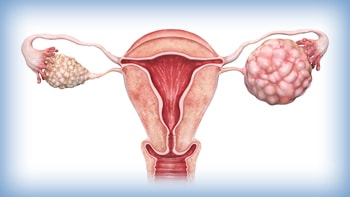
Ovarian Cancer Treatment
Ovarian Cancer Treatment Tests and procedures used to diagnose ovarian cancer include: Pelvic exam. During a pelvic exam, your doctor inserts gloved fingers into your vagina and simultaneously presses a hand on your abdomen in order to feel (palpate) your pelvic organs. The doctor also visually examines your external genitalia, vagina and cervix. Imaging tests. Tests, such [...]

Hodgkin’s lymphoma Treatment
Hodgkin’s lymphoma Treatment Tests and procedures used to diagnose Hodgkin's lymphoma include: A physical exam. Your health care provider may ask about your symptoms and conduct a physical exam. This might involve checking for swollen lymph nodes, including in your neck, underarm and groin, as well as a swollen spleen or liver. Blood tests. A sample of [...]

Skin Cancer Treatment
Skin Cancer Treatment To diagnose skin cancer, your doctor may: Examine your skin. Your doctor may look at your skin to determine whether your skin changes are likely to be skin cancer. Further testing may be needed to confirm that diagnosis. Remove a sample of suspicious skin for testing (skin biopsy). Your doctor may remove the suspicious-looking [...]
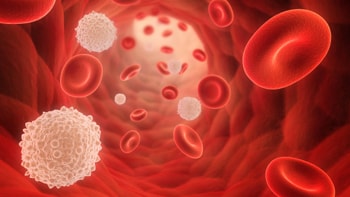
Leukemia Treatment
Leukemia Treatment Doctors may find chronic leukemia in a routine blood test, before symptoms begin. If this happens, or if you have signs or symptoms that suggest leukemia, you may undergo the following diagnostic exams: Physical exam. Your doctor will look for physical signs of leukemia, such as pale skin from anemia, swelling of your lymph [...]

Brain Cancer Treatment
Brain Cancer Treatment If your health care provider thinks you might have a brain tumor, you'll need a number of tests and procedures to be sure. These might include: A neurological exam. A neurological exam tests different parts of your brain to see how they're working. This exam may include checking your vision, hearing, balance, coordination, [...]